



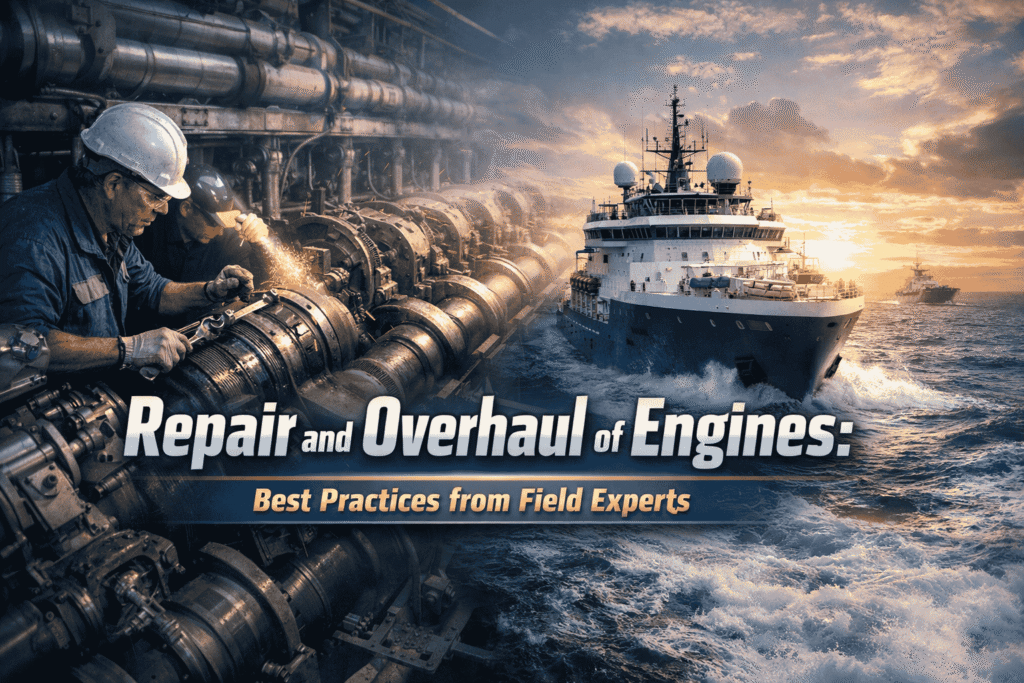
The repair and overhaul of your engine plays a very important role in restoring its lost performance. But what are the best practices to get the best results? Read this blog till the end and you will get the most common yet highly effective tips from experts.
Understanding Engine Components and Common Failure Points:
You will find multiple connected components in the engine of your vehicle. For instance, pistons, crankshaft, camshaft, valves, bearings, fuel system, lubrication system, and even a cooling system.
Some of the most common engine failure points usually include worn piston rings, damaged bearings, and scored cylinders. And also the valve seat erosion, oil pump failure, and gasket leaks. However, if you have a good understanding of these components, you can easily identify the root cause. Rather than just treating the surface-level faulty symptoms.
Pre-repair Diagnostic Best Practices:
Before you start your vehicle’s repair journey, start the overhauling of engines. It is very important that you have accurate diagnostics. Most of the experts suggest compression testing, leak-down testing, oil analysis, vibration analysis, and thermal inspection.
Whereas the electronic diagnostic tools help you detect the sensor and ECU-related issues in modern engines. Properly documenting the diagnostic results not only helps you attain transparency. But also helps and guides decision-making during the overhaul process.
Step-by-Step Engine Disassembly Techniques:
Disassembling the entire engine should follow a systematic and step-by-step approach. Make sure you start by disconnecting external systems such as fuel lines, electrical connections, and cooling hoses.
After that, label all the components and fasteners precisely in order to avoid any kind of confusion during reassembly of the parts. Make sure to use tools and follow the torque release sequences recommended by the manufacturer. To component distortion. A controlled disassembly not only minimises accidental damage, but also saves time later.
Inspection and Damage Assessment Protocols:
Once you have disassembled, make sure you inspect each and every component thoroughly. The experts in this field mainly rely on not only visual inspection, but also dimensional measurements. But also non-destructive testing, and surface finish evaluation.
If you find cracks, wrapping, excessive clearances, and corrosion, do not overlook them. They are the key indicators of potential damage. An accurate assessment of the entire engine not only helps you determine whether you can reuse the parts. But also, what is their condition, and if they must be replaced with new ones?
Precision Cleaning and Parts Preparation:
When it comes to engine overhaul, precision cleaning is a non-negotiable step– too important. All the components should be cleaned using proper and appropriate methods. For instance, ultrasonic cleaning, solvent washing, or hot tank cleaning, depending on the material and the level of contamination.
Make sure you clean all the oil passages, cooling channels, and mating surfaces to ensure proper lubrication and sealing. The proper parts preparation helps in the reduction of premature wear after reassembling the parts.
Replacement Parts Selection: OEM vs. Aftermarket
Choosing between the OEM and the Aftermarket parts is a bit confusing, yet a critical decision in the repair and overhaul of engines. Where OEM parts offer you guaranteed compatibility and quality.
The aftermarket parts provide better cost advantages and wider availability. If we listen to experts, they suggest evaluating engine application, operating conditions, budget, and supplier credibility before selection. However, make sure you never compromise on the quality of the components just for some short-term savings.
Reassembly Best Practices for Optimal Performance:
Reassembly of components demands precision and immense patience. Make sure you follow all the manufacturer’s specifications for torque values, clearances, and assembly sequences. It is very important to use proper lubricant in order to prevent dry starts.
Make sure you replace all the gaskets, seals, and fasteners wherever they are recommended. Going to an expert technician is always better. They make sure to double-check all the measurements and alignment to ensure optimal engine performance and reliability.
Testing, Tuning, and Break-In Procedures:
Once all the parts are reassembled, the engine must undergo a testing and tuning process. The initial testing process includes oil pressure checks, leak inspection, and idle stability. Having a controlled break-in procedure not only allows all the components to seat properly. But also reduces the potential friction related damages.
Preventive Maintenance Strategies Post-Overhaul:
The preventive maintenance strategies are the key that helps in maximising the benefits of engine overhaul. Make sure you regularly change the oil, replace filters, check on the cooling systems, and timely inspect the engine.
This helps in maintaining the good health of your vehicle’s engine. Monitoring performance parameters and addressing minor issues early prevents major failures. Having a structured maintenance schedule significantly extends your engine’s service life.
Conclusion: Achieving Longevity Through Expert Practices
The repairing and overhaul of your engine is a complex process, yet a rewarding process, if you execute it using experts’ best practices. Whether it is diagnostics, reassembly, or maintenance, every step plays a vital role in engine longevity. If you follow a structured procedure and prioritise the quality of the engine. You can actually achieve reliable performance, reduced downtime, and long-term operational efficiency.
FAQs:
1. What are the most common signs that an engine needs repair or overhaul?
Some of the most common signs include loss of power, excessive oil consumption, and abnormal noise. And also overheating, smoke emissions, and declining fuel efficiency.
2. How do you choose between OEM and aftermarket parts for an engine overhaul?
The choice between these two totally depends on engine application, quality standards, cost considerations, and supplier reliability.
3. What safety precautions are essential during engine disassembly?
It is important to use proper lifting equipment isolating power sources. And yes, do not forget to follow the manufacturer-recommended disassembly procedures, which are essential.
4. How long does a full engine overhaul typically take?
A full engine overhaul can take anywhere from several days to a few weeks. It all depends on the size, condition and part availability of your engine.
5. What post-overhaul maintenance ensures engine longevity?
Regular oil changes, scheduled inspections, and proper cooling system care. And adherence to break-in procedures ensures long-term engine performance.


No Comments