




In-situ boring services are changing how cement plants address the mill alignment challenges. How? Because the In-Situ procedure allows you to perform critical maintenance duties onsite. This makes the whole maintenance procedure easier.
This improves precision, saving time and reducing operational costs. This is why plants are adopting an in-situ boring system. But this is just the tip of the iceberg. In this blog, we will explore Insitu boring, its operations as a solution for cement mill alignment, & several more things.
Understanding Mill Alignment Challenges in the Cement Industry
Cement mills regularly face constant strong vibrations, heavy loads, and thermal expansion. All these factors are enough to cause misalignment. So what happens with misalignment? Misalignment in the mill components may lead to:
- Increased wear & tear,
- Inefficient grinding,
- Vibration, and
- Catastrophic breakdowns.
Yes, that’s dangerous for all!
According to the Global Cement Report, alignment issues cause up to 30% of sudden equipment downtime.
What Is In-Situ Boring and How Does It Work?
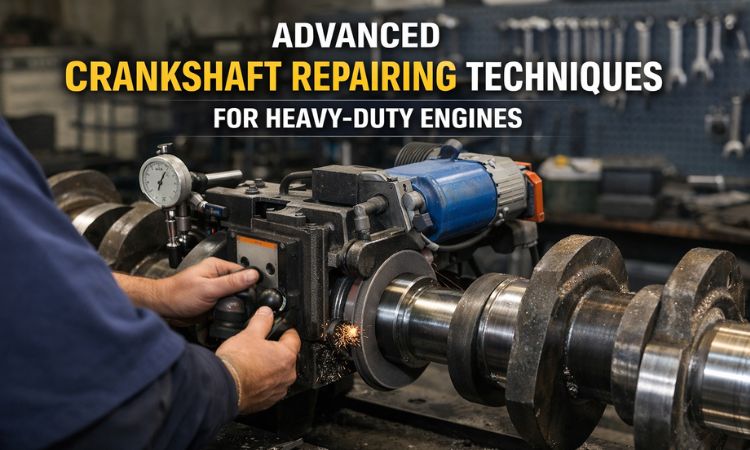
In situ boring is a machining process that allows engineers to repair without removing large mill components. How? This process uses specialised machines that are set up around the equipment. The aim is to accurately bore, reface, and align parts such as housings, bearing seats, and trunnions.
This process needs highly skilled technicians who use portable, high-precision boring bars, computerised monitoring, and laser alignment tools to meet the original design tolerances. Notably, unlike traditional repairing methods, in-situ boring causes minimal disruption to plant operations and less movement of heavy equipment.
Why In-Situ Boring Is Critical for Cement Mill Operations?
Cement mills operate in highly demanding environments, and they need every minute of their operation to get maximum results. Every minute of downtime impacts production and profits.
According to research by World Cement Magazine, on-site in situ boring reduces downtime by up to 50% compared to traditional repair methods. Moreover, it also mitigates the risks associated with the transportation of such heavy, massive mill workshop machining components.
Precise in-situ machining quickly fixes the problems and restores alignment. Results? Lower risks, faster operations, reduced downtime.
Traditional Mill Alignment Methods vs. In-Situ Boring:
Traditional repairing methods for mill alignment needed to disassemble all the equipment and transport it off-site. This process may take days or weeks, which can increase logistic costs and extended downtime.
On the contrary, in situ boring methods allow you to use portable tools. These tools can repair or address the issues directly on the mil component without removing it. This allows fast repair, less downtime, and no transport at all. Results? Minimal heavy lifting and no transportation damages.
Key Benefits of In-Situ Boring Services for Cement Plants
- Major Onsite repair and faster turnaround.
- Improve accuracy and mill alignment.
- Reduces energy consumption and wear.
- Reduces costs and transportation risks.
- Lowers overall maintenance costs.
- Increases equipment lifespan.
- Enhances safety during the complete repair process.
Note- Industry reports suggest that the cement plants can lower annual maintenance cost by up to 25% with In-Situ boring experience.
Common Cement Mill Components That Require In-Situ Boring
Here are several mill components that often get misaligned and may benefit from on-site boring:
- Trunnion housings
- Mill journal bearings
- Gearboxes and drive heads
- Kiln support rollers
- Pinion shafts
- Bearing bores and covers
Note- according to a 2024 survey by Cement Equipment Service Providers, more than 60% of the cement mills used In-situ boring for trunnion and journal repairs in the last year alone.
The In-Situ Boring Process: Step-by-Step Breakdown
Here is the step-by-step breakdown of an In-Situ process. Read below:
- Use measuring tools and laser alignment tools for initial assessment.
- Prepare the area and set up portable boring equipment around the component.
- Next, the technicians will perform the precise boring operation and machining performance.
- Keep measuring and checking the real-time adjustment for matching the design alignment.
- Do a final inspection and result documentation.
Note- the whole process may take 24-48 hours, depending on the complexity of the damage.
Hans-On Benefits of In-Situ Boring:
Minimizing Downtime and Saving Money:
The cement industry requires every minute of its operations to get maximum results. Minimising downtime means saving more from the operations. A survey data from International Cement Review shows that the average in-situ boring operation saves up to 30%-50% more time compared to workshop repairs.
Offers Precision and Accuracy:
Insitu boring offers micron-level accuracy that is essential for high-stress components in cement mills. Technicians use laser alignment technology to ensure that all repairs are completed to meet OEM specifications. These are expert technicians who significantly reduce repeat alignment errors, improve load distribution, reduce vibration, and increase component lifespan.
Safety Considerations During In-Situ Boring Operations
On-site boring minimises the risks of moving heavy components. In situ boring procedures can complete the repair without opening the components at all. Notably, the whole process uses equipment with highly accurate built-in safety features, such as:
- Overload sensors
- Automatic Shutoff.
Moreover, technicians follow safety protocols such as lockout/tagout and confined space procedures. Results? Less manual handling, increased safety.
Selecting the Right In-Situ Boring Service Provider:
Want to enjoy the best results from In-situ boring? You need to choose a qualified provider such as MPA Power Project. Now the question is HOW?
- Check for certified technicians with hands-on experience in cement mill components.
- Advanced portable boring equipment and digital measurement tools.
- Ask for documented quality assurance.
- Check references from similar projects.
- Support for emergency repairs.
Conclusion:
In situ boring services offer a powerful solution for mill misalignment issues. It offers high-precision repairs onsite, reduces downtime, cuts costs, and enhances the safety features at the cement plants. In this blog, we have discussed how recent surveys, experts’ insights, and reports prove that in situ boring is highly precise, fast, and minimizes operational risks. But you must look for the factors to choose only the qualified service providers, such as MPA Power Project.
FAQs:
- What is in situ boring, and why is it important for cement mill alignment?
In-situ boring is an on-site repair machining process that cement mills use to restore component alignment. This ensures minimal downtime, optimal function, and longevity.
- How long does an insitu boring operation typically take in a cement plant?
Most of the in situ operations take only 24-48 hours. However, this heavily depends on the size, system complexity, and damage to the component.
- What are the cost benefits of in situ boring compared to removing equipment for workshop repairs?
Insitu boring reduces maintenance cost by 25% and minimises the downtime by 30%-50%. Moreover, it eliminates any chances of transportation damage.
- Which cement mill components commonly require in situ boring services?
Components such as Trunnion housings, journal bearings, pinion shafts, and support rollers frequently require In-situ boring services.
- Can in situ boring be performed while other plant operations continue running?
Yes, in situ boring services mostly don’t interfere with other plant operations. This minimises disturbance and improves overall productivity.




No Comments