



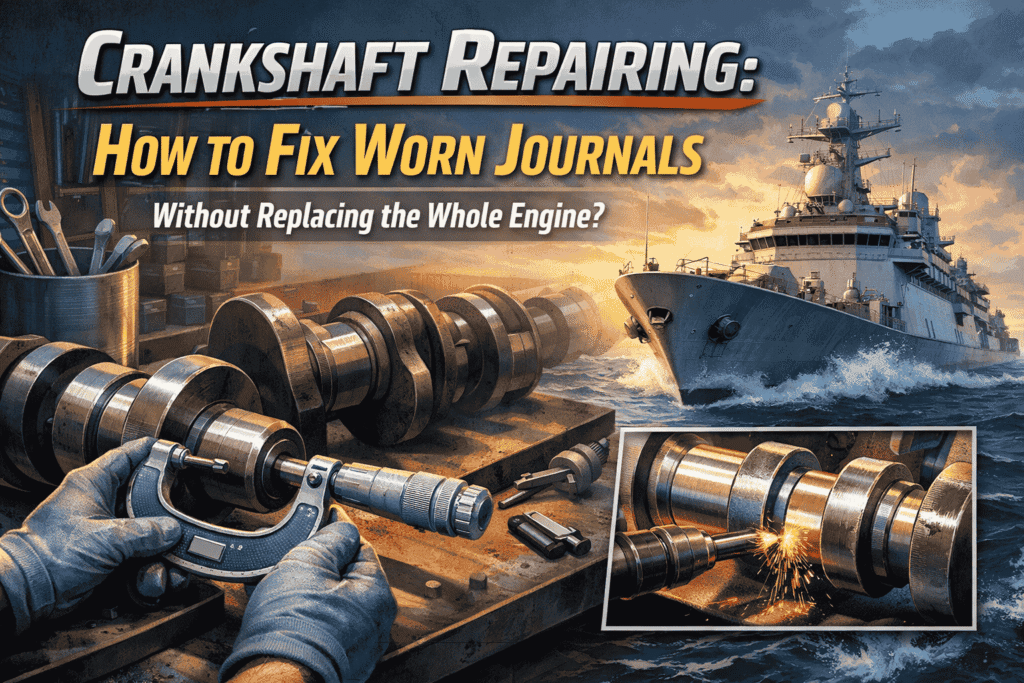
Engine problems don’t always mean replacing the entire engine. Sometimes, the real issue lies deep inside the crankshaft. Worn journals can reduce performance, increase noise, and lead to costly breakdowns if ignored. Here we require Crankshaft Repairing that offers a smart and cost-effective solution. Instead of replacing the whole engine, you can restore the crankshaft, improve performance, and extend engine life with the right repair process.
In this article, we will discuss Crankshaft Repairing in detail where you will learn the best ways to fix worn journals without replacing the whole engine.
What Is a Crankshaft and Why Does It Wear Out?
The crankshaft is an essential engine component that converts the linear motion of pistons into rotational power. This rotation enables the wheels to move and keeps the engine running smoothly. It features journals that rotate on bearings, reducing friction and ensuring stable performance.
Over time, these journals wear out due to continuous friction, poor lubrication, excessive heat, and contaminated oil. Low oil quality or debris causes scratches and uneven surfaces on the journals. This wear reduces engine efficiency and can lead to serious internal damage if not repaired on time.
Signs Your Crankshaft Journals Are Worn (Don’t Ignore These)
Worn crankshaft journals show clear warning signs that you should never ignore. The early detection of symptoms enables you to begin necessary actions before the situation develops into costly damage.
Here are the signs your crankshaft journals are worn:
- Produces knocking or rumbling sounds.
- Decreases the engine oil pressure.
- Contains metal particles
- Experiences excessive vibration.
- Shows problems with overheating.
- Shows decreased operational capability.
- Faces difficulty achieving constant speed.
- Shows misalignment or unbalanced movement.
- Experiences frequent bearing breakdowns.
- Consumes more fuel than normal.
Tools & Materials You Need Before Starting Crankshaft Repairing
You need to collect all essential tools and materials before you begin the process of repairing crankshafts. The correct tools enable you to create accurate measurements while creating smooth finishes and assembling all engine parts correctly.
Here are the tools and materials you need before starting crankshaft repairing:
- Measuring Tools
With micrometers and dial gauges as measuring tools you can determine the exact diameter and condition of crankshaft journals. You can assess wear conditions through accurate measurement which helps you determine whether grinding needs to happen.
These tools also ensure that the journals meet manufacturer specifications after repair. When the measurement process fails to function correctly it results in improper dimensions which cause engine malfunctions and equipment deterioration.
- Grinding Machine
A crankshaft grinding machine operates by eliminating the damaged exterior layer which covers the journal surface. The process reconstructs the crankshaft to its original dimensions so it can accommodate new bearings.
The process demands exact precision because any excess grinding will result in defects. The grinding process results in smooth rotation which prevents mechanical problems from happening in the future.
- Polishing Tools
Polishing tools function to create a smooth surface finish on crankshafts which have undergone grinding. The process eliminates minimal surface flaws to produce a smooth finish which effectively decreases friction.
The polished surface enables better lubrication distribution which extends the operational life of both crankshaft and bearings. The system provides engine function at lower noise levels while maintaining optimal operational efficiency.
- Engine Oil & Lubricants
High-quality engine oil establishes essential functions during the assembly process and throughout upcoming engine operations. The formula decreases friction while it protects engine parts from overheating situations.
The use of appropriate lubricant creates protection for the fixed crankshaft against premature damage. Regular lubricant application maintains both engine performance and operational efficiency.
- Cleaning Materials
The combination of solvents and lint-free cloths functions as cleaning materials which effectively eliminate both debris and metal pieces. The engine protection process requires proper cleaning because it stops inside engine contamination.
The crankshaft achieves complete cleanliness which guarantees proper functioning while preventing damage to surrounding parts. The process enhances the entire efficiency of the restoration work.
Step-by-Step Process to Fix Worn Crankshaft Journals:
Crankshaft Repairing requires two essential steps which must be executed for successful restoration of engine function and component strength. The smooth operation of the crankshaft needs every step to create balanced performance.
Here are the step-by-step process to fix worn crankshaft journals:
Step 1: Remove the Crankshaft
The process begins with engine disassembly which leads to crankshaft extraction. Your inspection and repair work will benefit from this process which provides access to the journals.
All parts need careful handling because any extra damage would result from improper treatment. The crankshaft needs a proper removal process which allows safe handling and enables its upcoming procedures.
Step 2: Inspect the Journals
The examination of crankshaft journals involves searching for scratches and grooves together with finding any signs of non-uniform wear. The assessment of damage requires measurement using specific tools which provide accurate damage measurement.
The inspection results enable you to determine the necessary repair work for your project. The assessment needs to be precise so that you can select the appropriate repair technique.
Step 3: Grind the Journals
The grinding machine process removes the top damaged layer from the surface. The process brings back the journal to its original smooth appearance and standard dimension.
The grinding process needs to follow specific guidelines which ensure the alignment stays intact. Correct grinding ensures the crankshaft functions efficiently with new bearings.
Step 4: Polish the Surface
You need to polish the journals after their grinding process because it creates a perfect smooth surface. This process eliminates tiny surface bumps while it enhances the overall surface condition.
The surface becomes well-polished which results in lower friction levels together with better lubrication performance. The repaired crankshaft maintains its strength because of this procedure.
Step 5: Clean Thoroughly
Your next step requires you to execute a complete cleaning process. The crankshaft requires complete cleanup operations to eliminate all metal particles and debris from its surface. The cleaning process achieves its best outcomes when users select the appropriate cleaning materials.
The step functions as a contamination prevention measure which protects the engine system from dirtying. The cleaned parts of the engine will operate safely after the engine gets reassembled.
Step 6: Reassemble the Engine
The team needs to mount the crankshaft again after they install new bearings and apply the required lubricant. The team must confirm that all parts maintain their correct position while they complete the fastening process.
The reassembly process restores the engine to its original working condition. The process guarantees that the repaired crankshaft will function properly throughout its entire lifespan.
When to Call a Professional for Crankshaft Repairing?
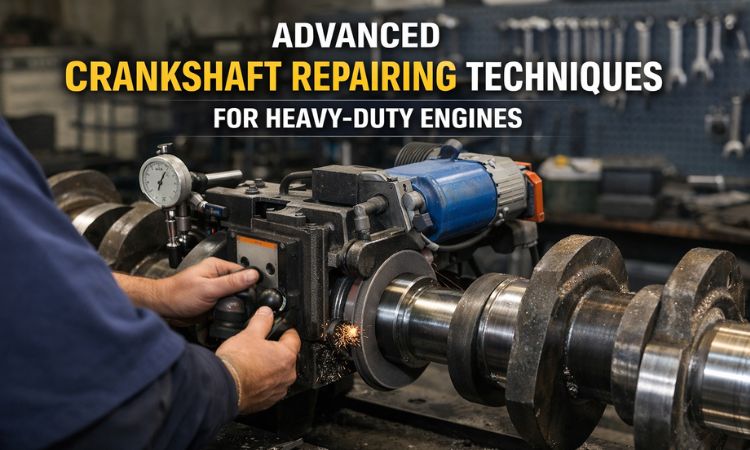
Heavy crankshaft repairs often need expert technicians who possess advanced equipment. Professional repair work delivers accurate results which maintain safety standards and produce durable outcomes.
Here are the situations when you should call a professional for crankshaft repairing:
- Severe Journal Damage
The crankshaft requires professional repair when its journals display both deep cracks and extreme wear. Experts use advanced machines to restore the crankshaft safely.
The situation demands careful management because severe damage requires specialized techniques to avoid total system collapse. The process requires professional assistance to restore the system properly and establish its dependable operation.
- Lack of Proper Tools
Crankshaft Repairing requires specialized equipment which consists of specific tools and machines. The absence of such equipment makes it impossible to achieve precise outcomes.
The professional workforce operates with top-notch equipment. The equipment makes it possible to obtain accurate measurements while conducting grinding and polishing procedures.
- Engine Misalignment Issues
Engine system damage results from improper alignment procedures which affect the entire engine system. Professionals make sure that the repair process includes proper alignment and balance assessment.
The expert management system produces a solution which protects against vibration problems and stops uneven wear. The system provides better engine efficiency improvements which lead to higher engine lifespan.
- High-Performance Engines
Engine specifications for both luxury and high-performance engines need precise measurement. Any small error which occurs during this process will disable entire system operations.
Professionals maintain exact standards during repair. This method achieves maximum performance while safeguarding engine components.
How to Prevent Crankshaft Journal Wear in the Future?
The process of preventing crankshaft wear requires less effort and lower expenses than its subsequent repair. Regular maintenance activities of crankshaft journal wear will ensure both engine performance and engine durability.
Here are the ways to prevent crankshaft journal wear in the future:
- Regular Oil Changes
Engine oil replacement must occur at scheduled times because it maintains optimal performance for the lubrication system. The presence of new oil reduces friction while stopping engine parts from overheating.
Regular oil changes also remove contaminants that can damage the crankshaft. This simple step greatly extends engine life.
- Use High-Quality Lubricants
Extreme conditions require high-quality lubricants to deliver better protection. The lubricants maintain their stability while reducing the wear which affects moving components.
Using premium oil leads to improved engine function. It also reduces the chances of premature crankshaft failure.
- Avoid Engine Overheating
Overheating decreases friction resistance while it damages metal materials. The cooling system must be properly maintained to avoid this problem.
The proper temperature control system protects the crankshaft from damage. It maintains performance capabilities while ensuring long-lasting operational strength.
- Monitor Oil Pressure
The oil pressure measurement shows how effective the lubrication system operates. When oil pressure drops below safe levels it creates a risk for inadequate lubrication.
Regular monitoring helps detect problems early. It prevents serious damage to the crankshaft and other components.
- Routine Engine Inspection
The system needs continuous monitoring because it helps identify issues before they escalate into major problems. The process protects both the crankshaft and additional system parts.
The process of engine inspection needs to be performed regularly because it enables technicians to discover early signs of engine problems. The procedure enables complete maintenance work to be done without any delays.
Conclusion:
The process of checking engines regularly helps to boost engine performance while minimizing the risk of sudden engine failures. MPA Power Project Crankshaft Repairing provides organizations with an effective and economical method to fix worn journals because it eliminates the need to install a new engine.
The solution brings back original performance, reduces costs, and increases the duration of vehicle operation. The combination of timely action and appropriate maintenance procedures leads to engine performance which operates without issues.
FAQs:
- Can a crankshaft be repaired without removing the engine?
The process of crankshaft repair requires crankshaft removal because accurate repair work needs complete crankshaft access. The process enables minor polishing work without requiring complete access to the equipment.
- How much crankshaft repair typically does cost?
Crankshaft repair expenses range from ₹8,000 to ₹25,000 depending on the extent of damage and the expense of labor.
- What causes crankshaft journals to wear out prematurely?
The combination of insufficient lubrication, contaminated oil, excessive heat, and heavy engine operation leads to premature journal deterioration.
- Is it safe to drive with a worn crankshaft journal?
Operating vehicles with damaged journals often result in bearing destruction which ultimately ends in engine breakdown. The vehicle needs immediate repairs.
- How long does a repaired crankshaft last after grinding and polishing?
With proper maintenance and consistent oil maintenance the repaired crankshaft can function for multiple years.




No Comments