



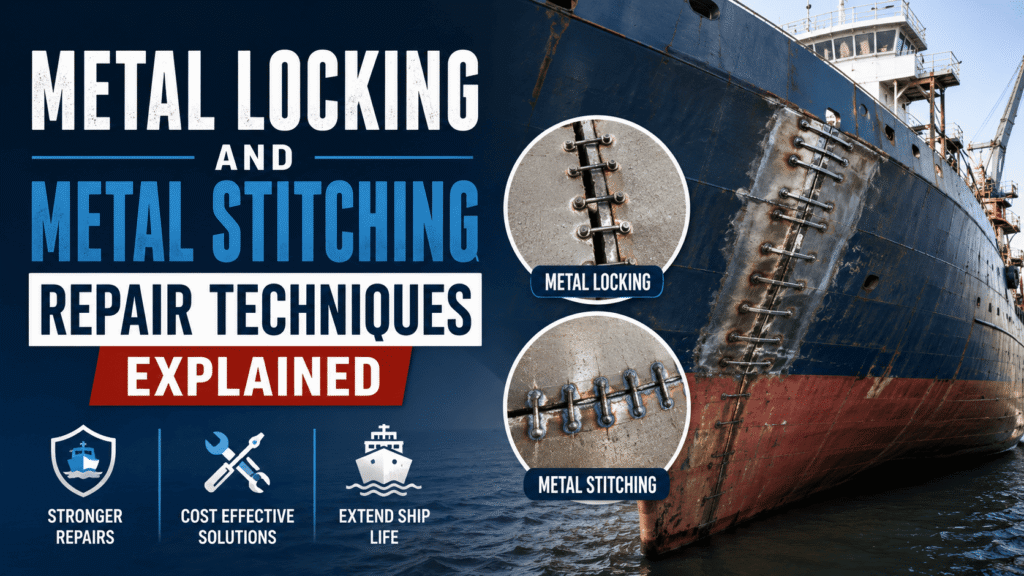
The heavy industry machines’ engines, compressors, and power generation continue at work. Due to which time machines start getting cracked out, such as engine blocks, cylinder head, pump housing, and gear casings. This crack will develop and reduce the working capacity of the machine, which could lead to expensive replacement.
Welding is a very common repair method. But cast iron welding is difficult because it is brittle and highly sensitive to heat. Welding could also develop new cracking, breaking down, which may cause worse issues instead of solving it.
Metal locking repair and metal stitching services are the most suitable solutions. The cold repair technique will repair damaged parts without heating. They help in quick repair and saving money from expensive replacement.
What Is Metal Locking?
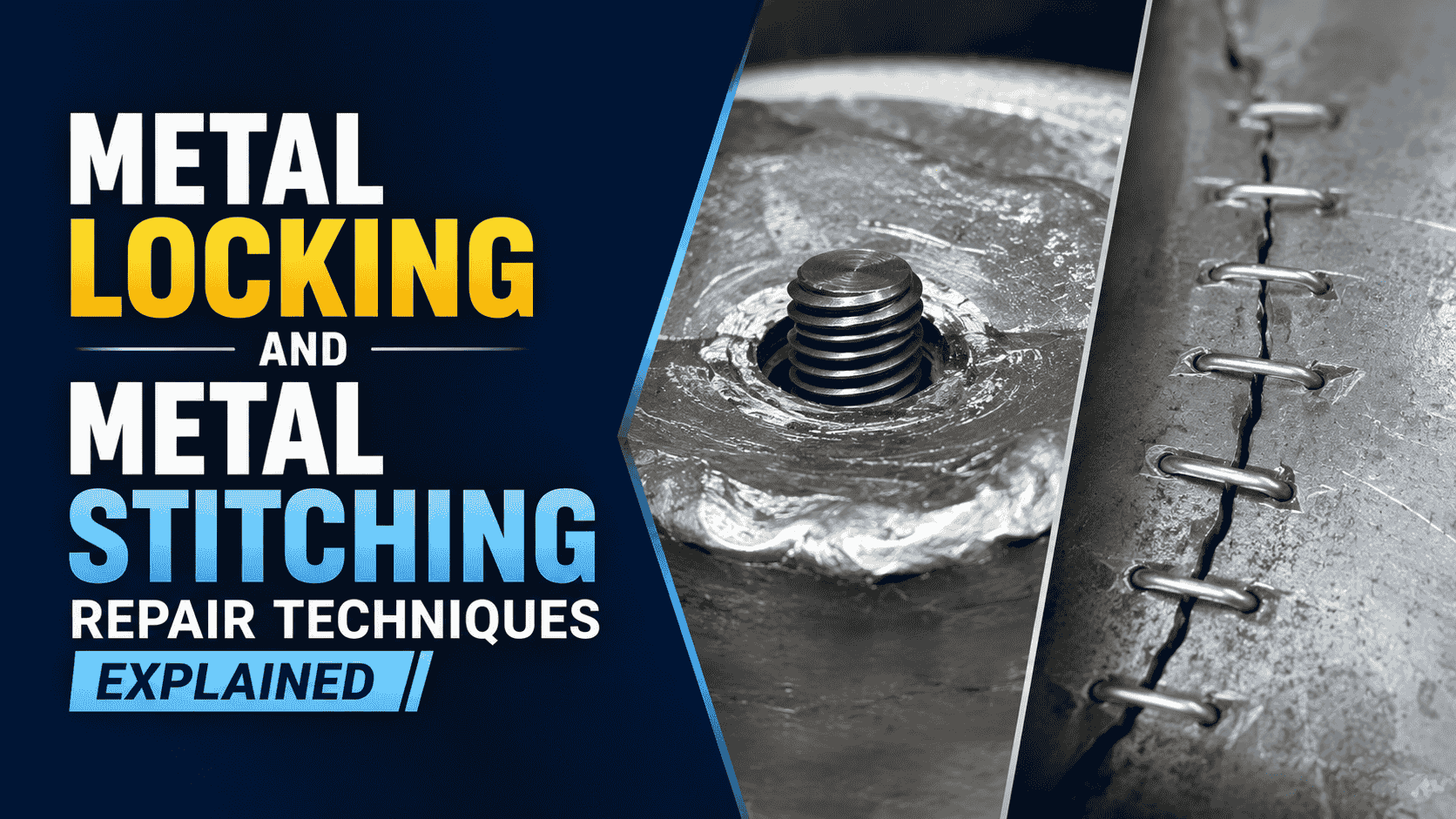
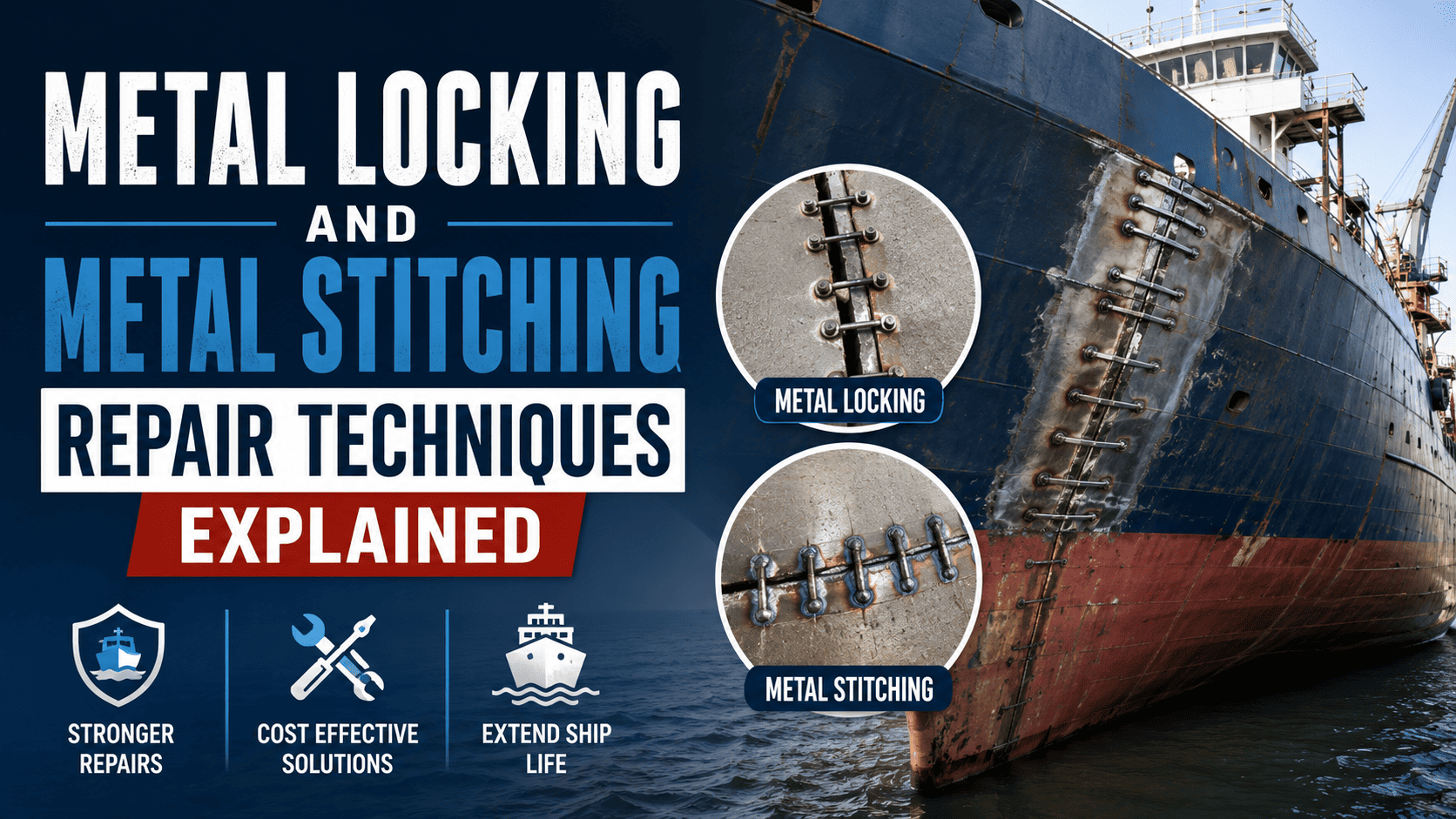
Metal locking repair is a new technique used to repair the cracked part. Instead of a heat or welding method, this process uses exclusively developed metal locks or keys that are inserted into the crack.
These locks repair cracked parts and make the machine mechanically stronger. Once installed, locks divide the stress evenly across all the parts and prevent further expansion of the crack.
How Metal Locking Works
- The crack is carefully inspected and prepared
- Pointed out along the cracked part of the machine
- Precision-engineered metal locks are installed into the parts
- The lock binds both sides of the crack carefully
- The repaired part is completed and recovered to its original state
Common Applications of Metal Locking
- Gearbox housing
- Cracked cylinder blocks
- Engine crankcase
- Machine bases
- Industrial Castings
- Heavy-duty engine components
Due to its brilliant structural strength, Metal locking repair is a widely preferred method utilized in industries where equipment consistency is very important.
What Is Metal Stitching?
Metal stitching services are a cold-repair process that is used to repair cracks without heat production. The method is based on the use of special pins and keys to be placed into the crack line.
This method efficiently repairs the crack. The overlapping pins form a good mechanical seal and rebuild the integrity of the damaged part.
Metal stitching is done without changing the structure of the metal and without causing thermal stress as in welding. It is especially useful for the repair of cast iron parts that are difficult or not weldable.
How Metal Stitching Works
The crack parts are identified, and then precise drilling is done on the surface of the machine.
Then, the stitching tightened in the drilled hole.
Each stitching pin is found just above the other stitching pin.
This locking pattern locks the cracked part tightly.
To make it more strongly connected, more stitching pin installed within them.
Common Applications of Metal Stitching
- Cylinder heads
- Pressure casings
- Pump housings
- Compressor bodies
- Largely industrial castings
- Marine engine components
Many industries prefer the metal stitching technique because they offer long term durability of repair while maintaining dimensional accuracy.
Metal Locking vs Metal Stitching: Key Differences
Whereas both methods are cold-repair methods, they provide different types of breaking and crack development.
Metal Locking
- A metal lock is used all over the crack
- Mostly repairs structural strength
- Perfect for major fractures and broken part repair
- Prevent the spread of cracks under high working load
Metal Stitching
- Utilising overlapping pins installed in the drilled holes across the crack line
- Focuses on sealing and interlocking pin installation
- Perfect for pressure-tight functions
- Make machine more strong by oil tightness and water-tight integrity
Similar Benefits
- No need to heat up
- No twisting or distortion develops
- Ideal for repairing iron and other difficult metals
- It is cost-effective compared to a new installation
Engineers often fuse Metal locking repair with metal stitching services to provide high strength, durability, and sealing capabilities. This makes for a solid and watertight repair.
Advantages Over Welding
Cold-repair procedures have a number of significant benefits over conventional welding when repairing cast iron parts.
1. No Heat Distortion
When welding is done, the metal is subjected to very high temperatures. This heat may cause expansion, contraction, and distortion. This risk is eliminated with metal locking and stitching, which are done cold.
2. Ideal for Cast Iron
Cast iron is extremely brittle and is not easily weldable. Cracks can easily form during the hot season. The original metallurgical properties of the casting can be best preserved with cold repairs.
3. Restores Strength
New locking and stitching methods can return the exceptional structural integrity. In many instances, the repaired area is as strong as or stronger than the surrounding metal.
4. Reduced Downtime
Transportation of large industrial castings can be challenging. The procedure of repair in the field saves a lot of time and operational downtime.
5. Pressure and Oil-Tight Repairs
One of the major benefits of metal stitching services is that they can provide you with a pressure-tight and oil-tight seal. This is particularly applicable to engines, pumps, compressors, and pressure vessels.
6. Cost Savings
It is very costly to replace large castings. Cold repairs are a viable option that can be used to prolong equipment life and dramatically lower costs.
7. Environmentally Friendly
Replacing parts that have already been made saves on material waste and decreases the environmental footprint of the process of creating new parts and getting them to the site.
Where These Techniques Are Used
Today, metal stitching services and locking methods are used throughout various industries because of their durability and efficient development of working capacity.
Common applications of the Cold Repairing method include:
- Cracking of engine parts
- Damage cylinder heads
- Compressor casing
- Pump housings
- Gearbox housings
- Marine engines
- Machine foundations
- Mining machinery
- Heavy industrial machinery
- Power generation equipment
These restoration techniques support businesses and prevent expensive replacement while maintaining functional performance.
MPA Power Project’s Metal Locking & Stitching Service
MPA Power project is one of the recommended names in industrial repair solutions; they provide specialised Metal locking repair and modern stitching methods for crucial equipment.
The company has a specialised team of engineers who have the capacity to repair different types of cracks, breaks, and damage. Their expertise helps them to manage different types of projects precisely.
Why Choose MPA Power Project?
- Specialised repair experts
- Modern repair technology
- Proven industry track record
- Pan-India onsite support
- Emergency breakdown assistance
- Affordable repair solutions
MPA Power Project offers dependable metal stitching services, especially at the customer’s site, where industries can prevent unnecessary downtime and replacement costs. The company offers efficient and reliable repair solutions for both engine blocks and cylinder heads, compressor casings, and industrial housing repairs.
Conclusion
No more high-cost casting replacements or long downtime when the castings crack. The latest cold-repair technologies, like Metal locking repair and Metal stitching services, offer a reliable, long-lasting, and affordable solution to repair damaged industrial components. These methods also avoid the heat distortion found in welding and maintain the inherent characteristics of cast iron, as well as providing repairs with high strength and good sealing characteristics.
They are used in the marine, mining, power generation, manufacturing, and heavy engineering sectors. Selecting professional repair solutions can help businesses prolong equipment lifespan, minimize maintenance expenses, and boost productivity. If you have a cracked casting, contact MPA Power Project now for a professional evaluation of it and find out what the best repair option is for your equipment that is the least expensive.
FAQs
What is the difference between metal locking and metal stitching?
The metal locking method is done by fitting a special type of locking mechanism across a crack, and the metal stitching method is accomplished by overlapping pins across the crack line to form a seal and a durable repair.
Is metal stitching stronger than welding for cast iron repair?
Metal stitching is often more dependable than welds in many cast iron service applications due to the absence of heat-induced stress, distortion, and further cracking.
Can metal locking repair a cracked engine block permanently?
Yes. Experienced professionals can repair cracked engine blocks and other cast components for a long, lasting, and sometimes even permanent repair using metal locking.
Is metal stitching suitable for pressure-tight applications?
Yes. Due to its ability to restore pressure and oil tightness, metal stitching is commonly used on pressure casings, cylinder heads, pumps, and compressors.
Does MPA Power Project provide on-site metal locking & stitching service?
Yes. MPA Power Project provides cracked casting repairs onsite across the entire country of India and ensures industries do not incur unnecessary expenses on equipment replacement and downtime.

No Comments